Friday, October 2, 2020

Materials Commonly Used in Roofing – Slate, Ceramic Tile and Flat Roofs

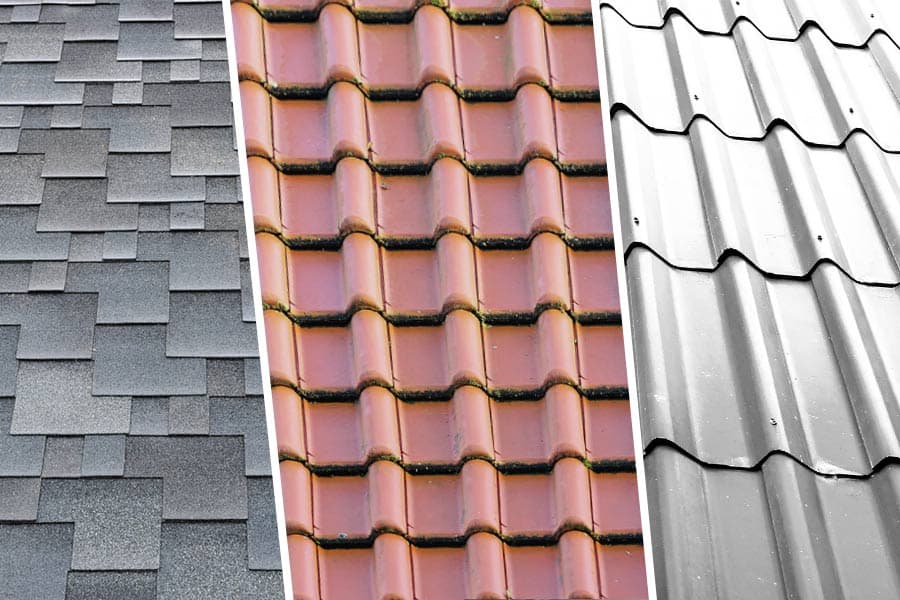
Ceramic vs Slate roof

If you are looking to get a chance to change up your roof, designing a new home, or looking to get repairs after a storm, it is important to know the difference between the main types of roofs, and the basics behind making each choice. When it comes to different styles of roofs, and a lot of options to choose from, it is important to know the benefits and drawbacks of each style so you can make an informed decision.

Slate Shingles

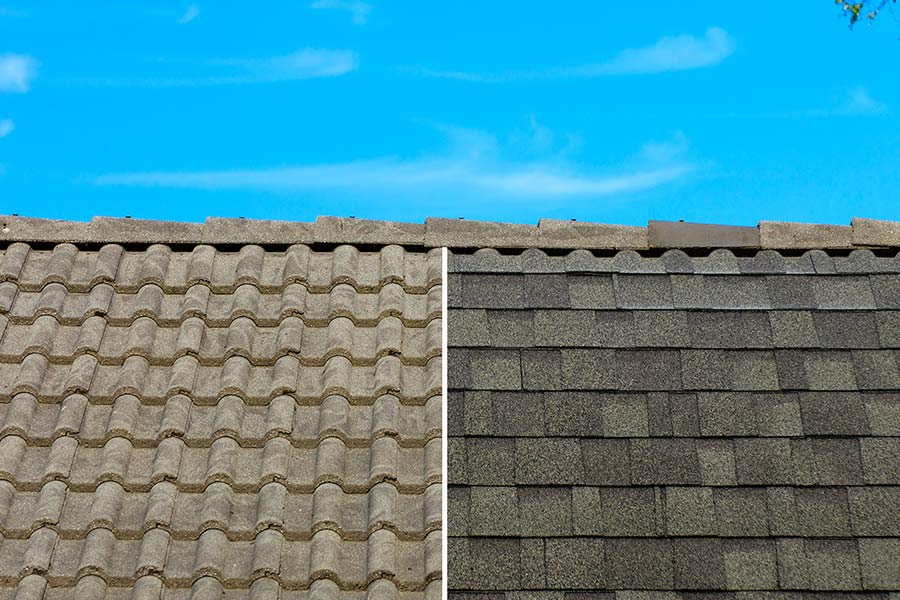
One of the more common styles of roofs are slate shingles. Although comparatively similar to asphalt shingles, they differ in how they are laid out (laid flat for slate and stacked for asphalt commonly). Their effectiveness has led to their long history of use, stemming from the fact that well maintained roofs with slate shingles can last decades longer than most other styles, oftentimes outlasting metal style roofs. Slate itself is a type of tile used on roofing, made of a stone mixed with ash and clay. It doesn’t look artificial, and can save money in the long run because of how rare having to install a new roof will be. Slate has become a better economic choice over time, especially with centuries of experience. Due to its durability as a material and the way in which the slate tiles are laid, it makes it a less vulnerable to natural disasters.  They can actually resist hail very well, 3-4 inch hail can be resisted by slate roofs, and wind is not likely to damage it either. Although these roofs provide a level of security when it comes to how often you need to plan for roofing maintenance, they may have a large installation fee than other traditional roofing options. Despite the more expensive installation fees, slate shingles can last a century at times and tend to be a very reliable option.

Ceramic Tiles

Another similar style is tiling in general, laid the same way but without the slate stone. Ceramic tiles usually have more options stylistically, but have a slight difference in durability. Ceramic roofing tiles specifically have been used even longer than slate, with connections to Indus River Valley civilizations millennia ago. It has been used in Ancient Greece, with Rome using a similar material laid slightly differently, in terracotta style, but at its core it was still making use a ceramic tiles, specifically clay. Ceramic roofs are also fireproof, since they are not made from wood or combustible materials. Although they might be less durable than slate, they still can last 50+ years.

Flat Roofs

Flat roofs are also an attractive option, they generally make use of wood, asphalt or metal, and are a common design in the midwest. Contrary to popular belief, flat roofs are not actually completely flat, as they need to allow for water to drain off to the side. These are common in rural homes and are used in certain types of aesthetics, especially in Americana homes, rancher homes and types of Florida rooms. They are mainly used for businesses now however, but do have applications beyond that.

https://cox-roofing.com/materials-commonly-used-in-roofing/?utm_source=rss&utm_medium=rss&utm_campaign=materials-commonly-used-in-roofing

Tuesday, September 8, 2020

Asphalt Shingle vs Metal Roofs: Which Is Right for You?

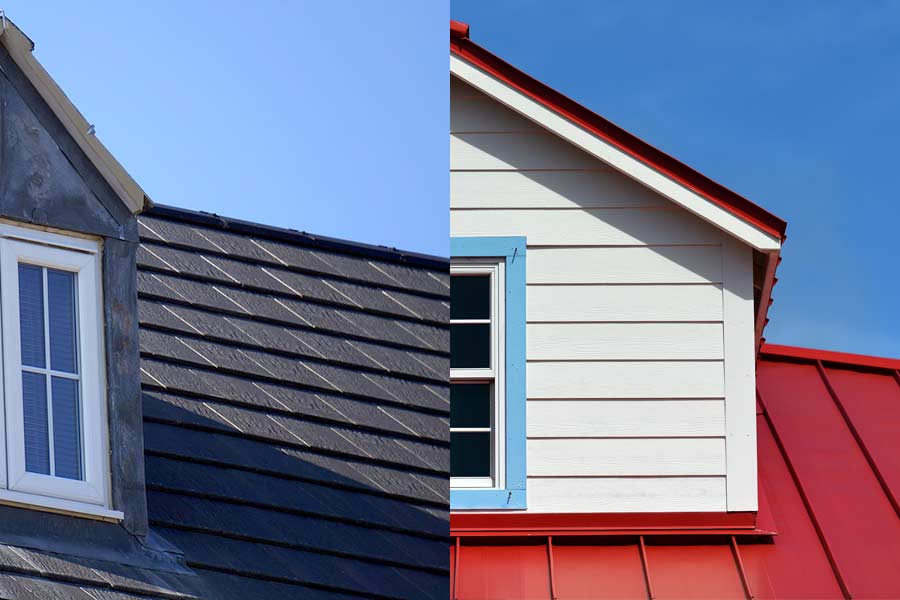
Side-by-side comparison of an asphalt shingle roof and a metal roof

If you are currently looking for a new roof for your home—whether you are dealing with storm damage and need a replacement or just want to spring for an upgrade—preparation is the way to go. When you are looking for the perfect roof for you, information and research can be your best friend. Before making your purchase, you will want to make sure that you have looked into all of the different roofing options out there, why they are used, and what would work best for your home. There are all kinds of roof options and styles, and you will need to decide which one will work best for your situation.

To help you start your research, we will be taking a look at two of the most common types of roofs used on residential homes: asphalt shingle roofs and metal roofs. They are both great options with their own unique strengths and weaknesses, which we will go over in detail below.

Asphalt Shingle Roofs: Versatile & Affordable

One of the most commonly used types of roofs is an asphalt shingle roof, a style which has been in use in America since the early 1900s. Roofing shingles were not always made of asphalt, but have changed over time. The first shingles were made from impromptu items like rags or wood, and eventually fire retardant material was used. This development happened because, before the change, fires were common.

Asphalt Shingle Roof Pros

Shingles are now made from material covered in asphalt or even fiberglass. They are commonly covered with asphalt on one side only. Shingles are far and away the most commonly used roofing material due to the fact that they are so durable and affordable. They offer plenty of options in color, texture, general design and shape. With all of these different options available, they come in all different kinds of quality, with some easily lasting 20 years, others extending for nearly 30–40 years.

Asphalt Shingle Roof Cons

Every material has its drawback. Some materials might be completely unaffected by one type of disaster, but another type of disaster might cause catastrophic damage to that same material. Asphalt shingles are no exception, and their main weaknesses are their vulnerability to severe weather and their inability to bear weight. They cannot be directly walked on without sustaining damage, and wind can ravage them in ways that are often difficult to detect without a professional inspection. They can also be affected by hail or thunderstorms, but the fact that they can be both repaired and replaced can make dealing with storm damage more affordable.

Metal Roofs: A Long-Term Payoff

One roof less common on residential homes these days, but not without benefits, are metal roofs. One of the biggest advantages of metal roofs is that, if properly cared for, they can easily last 50 years barring any huge natural disaster.

Metal Roof Pros

While metal roofs have historically seen most of their use on commercial buildings, they are becoming an increasingly common choice for residential homeowners. Metal roofing materials can be used as shingles and tiles, but their most common use is as panels and sheets such as the ones used for porch roofing. Metal roofs cost a bit more to install, but ultimately will save or generate money in the long term due to the fact they will require less upkeep, last longer, and can add value to homes. They can also be very green and can come in many more styles than the generic steel they’re most commonly associated with.

Metal Roof Cons

In addition to the steep up-front cost, another common issue with metal roofs is that repairs after major damage can exceed the cost of purchasing a new roof. This means that in the case of major damage, you will most likely need to purchase a new roof. This does not mean that smaller issues cannot be fixed, though these small fixes may require welding or the use of specialized sealants to avoid patchwork.

https://cox-roofing.com/shingle-vs-metal-roofs/?utm_source=rss&utm_medium=rss&utm_campaign=shingle-vs-metal-roofs

Monday, August 10, 2020

What Causes Roof Leaks?

Illustration of roof examined by magnifying glass

The time to start thinking about roof leaks isn’t when you can’t enjoy a rainy day anymore because of the water leaking into your home. Being aware of what can cause leaks and signs that one might develop can save you a lot of money and trouble in the long run.

Leaking roofs can cause a lot of damage to your home, not just to your roof and ceiling. Your electrical wiring, paint, attic insulation, deck, and more can all be damaged by water leaking into your home. To prevent this trouble, keep an eye out for these common causes of roof leaks:

Old Shingles

Cracked, rotted or loose shingles are a common cause of roof leaks. If your roof is 20 years old, you will likely end up needing to replace your roof soon. The layer outside that we can see, the shingles, will show damage but it can be harder to see all of the damage on the layers underneath. These can stop the roof from being insulated, starting a leak. You will likely need to schedule a roof inspection to see what needs to be done if you notice this issue.

Damaged Flashing

If you can see flashing that has been damaged, you will likely want to inspect this as a potential cause of roofing leaks. Flashing is a piece of metal that protects your valleys or places where your roof meets vertical areas, like walls, or changes elevation. Since this is not airtight, it can be a common problem and cause of a leaking roof. Since flashing should create a water-resistant seal, if it is damaged it will stop that from happening.

Clogged Gutters

Another common contributing factor is clogged gutters. These gutters can become cracked, and eventually lead to leaking back into the walls, and into the attic, causing water damage. It can also cause a build up of moisture, causing more damage eventually. Plumbing, vents, or anything that comes from the roof can eventually cause damage build up, specifically if the boot (what creates a water-resistant seal) that protects the vent, begins to let water in, pulling water directly into the house. This can also happen because these vents provide a direct line into the home, so if the boots are cracked, they can begin to cause damage. 

Missing Roofing Nails

You should also check to make sure that roofing nails are not being pulled out by raised shingles, because they will eventually lead to a large amount of small holes that water will penetrate. Especially if it is windy rain, it can dislodge the nail causing the holes left by the nails to allow water in. It might not be noticeable, but if you have a leaking roof, you might want to have it inspected, as it can be a common cause of damage. Especially since it is difficult to tell without a trained eye – this is where a professional roofer can help.

Looking for a free roof inspection to find out where a roof leak is coming from? Contact Cox Brothers Roofing, a professional South Texas roofing company, to schedule an inspection today.

https://cox-roofing.com/what-causes-roof-leaks/?utm_source=rss&utm_medium=rss&utm_campaign=what-causes-roof-leaks

Thursday, April 30, 2020

How Sunlight Affects Your Roof

Photo of sun in summer sky

Your home is an important investment, and as such you want to protect every part of it, including an essential feature of your home: the roof. You know that severe weather can cause some noticeable damage to your roof, particularly heavy hail storms and gale force winds, but did you know that if the weather is too beautiful it can also damage your roof? Here is everything you need to know about how direct sunlight can damage your roof.

Harmful UV Rays

When the materials that your roof is made from are exposed to the radiation of UV rays in direct sunlight, they can suffer faster deterioration and greater degradation. Even when your roof is shrouded in mist they pick up a little. Just as the UV rays are what are harmful to you, they are also damaging to your roofing materials. UV rays are invisible to our eyes, but you can protect against them by coating the shingles or tiles of your roof in an anti-UV ray filter. This is a brush on additive, and usually considered both an easy and cost-effective solution to a problem that affects us all.

Expanding and Contracting

A roof is an important part of your home not only because it gives you shelter from the elements, but also because it traps heat and keeps the indoor areas cool. This is great in the summer months, but as you get on toward the colder months of the winter, the prolonged alternating periods of freezing then reheating can cause your roof to contract and expand at a greater rate than was allowed for. This can cause severe damage to the infrastructure of your home, meaning costly repairs and maintenance fees. If you live in an area like Central Texas where temperature can change from one day to the next, talk to you local roofing expert for the best solutions in your area.

Bleached Colors

In addition to the problems that you can get to the structural integrity of your roof, sun damage also has an undesired bleaching effect on the materials used to craft it. When compared to the physical damage that direct sunlight and exposure to the radiation of UV rays can cause, it seems insignificant, but if you’re concerned about the aesthetic of your home, you also will want it to look a certain way. To give your home a well maintained and cared for appearance, be sure to correct any damage you see the sun has caused.

What Can I Do?

It may seem like suffering some damage as a result of sunlight is inevitable, but with regular maintenance you can catch an issue before it turns into something really big. Your issues with sunlight and the effect it has on your roof might run the gamut from a practical issue to a cosmetic one, but you should know that the sun can damage your roof, as well as how to protect against it. As with any other issue dealing with roofs, your best bet is to seek a professional roofer to help you out. They can offer an opinion on what the problem is, as well as work with you to figure out a lasting solution.

Looking for a professional local roofer in Victoria or Cuero, TX? Contact Cox Brothers Roofing to speak to one of our experts!

https://cox-roofing.com/sunlight-and-your-roof/?utm_source=rss&utm_medium=rss&utm_campaign=sunlight-and-your-roof

Wednesday, April 8, 2020

When To Get Your Roof Inspected

Texas home with shingle roof

Spring is a great time of year to seriously consider if you should get a professional roof inspection. Is there a way to tell if your roof needs a thorough inspection right away? You might notice water stains on interior walls or ceilings that could be the beginning of a critical roof leak. Water damage from leaking roofs can be a breeding ground for mold and algae. Mold and algae removal can be long tedious, and expensive. Getting a quick roof inspection can help prevent this. You should also consider a roof inspection if your home has recently experienced any of the following:

Hail Damage

The majority of roofing systems designed today are built and engineered to withstand the most hazardous of elements the climate can bring. Even if the roofing shingles are able to withstand a hail resistance of grade 4, most roofing shingles could be damaged. Even in minor hail damage, wear and tear on the roof will be higher as time passes. That is why it is important for the homeowner to have the roof inspected and repairs done before the roof starts to leak.

WIND STORM DAMAGE

Severe wind can cause permanent damage to your roof. By the sheer velocity of the wind, shingles on the edges of the roof can be lifted away from the roofing structure. This loosening of the shingles leaves your roofing structure subject to water leaks. The force of severe winds can also cause tree branches to hit your roof, causing major damage and water leaks.

CRACKS

Sometimes roofing shingles will develop cracks over time. If you do see cracks in shingles forming, it is imperative to find out the cause of the cracked shingles before serious leaks start happening, resulting in permanent water repair damage to the housing structure. A roof inspection that brings attention to a small issue such as cracked shingles could save you the cost of significant repairs later on if the issue isn’t detected.

The View From Inside

Check out the status of your roof from the inside of your attic. Seeing light shining through your ceiling? These large holes can cause damage to your home and the precious personal items you cherish. Notice dark spots or stains inside your attic? These are often caused by a severe water leak coming through your roof. Timely roof repairs to prevent permanent and expensive damage are needed.

PERSONAL RECORDS

Take a close inspection of all your housing records. Records of home improvement can be very beneficial when determining when your roof may need updates. Property purchase records can also be helpful in determining the age of your current roof. Average shingle roofs last 25 to 30 years. Metal roofs have lifespans as high as 70 years. These types of records can be most beneficial to the homeowner in determining their next roof inspection.

A NOTE ABOUT STEEL ROOF SYSTEMS

Steel roofs are known for their superior longevity over shingle type roofing systems. However, even the best of steel roofs do not last forever and can be damaged like their shingle counterparts. If you are a homeowner with a steel, tin, or metal type roof, and upon inspection notice rust, loose nails, or any indications of leaks, your roof is most likely in need of a replacement.

Need to schedule an inspection for your South Texas roof? Contact Cox Brothers Roofing, a roofing company based in Cuero and serving all of South Texas, to learn more.

https://cox-roofing.com/when-to-inspect-your-roof/?utm_source=rss&utm_medium=rss&utm_campaign=when-to-inspect-your-roof

Wednesday, April 1, 2020

Tree Maintenance To Protect Your Roof

Man trimming a tree

Your home is your pride and joy. Your roof is a really big part of that joy, keeping it well maintained is a huge source of pride. A tree that is overgrown and allows its branches to brush or harm your roof is a big problem that many homeowners face. Here we discuss some information you might need to help you protect your roof from being damaged by tree branches.

What Is the Risk?

Having a tree with tough branches overhanging the roof of your home can really be a threat to your property. Branches scratching over your roof every day without being stopped from doing so can tear shingles loose or bring up layers of the asphalt protecting your home. This means water leaks and holes in the security of the roof. One thing about water damage is that it can be insidious, sneaking up on you and not really showing itself until it is too late to fix it. If the tree is at all damaged, it will only take the slightest bit of inclement weather to bring branches crashing down on your home, the impact causing a huge hassle.

Whose Tree is it?

Many people with a tree hanging over their roof and causing a headache often find that the tree in question does not belong to them. It could be a neighbor’s tree, necessitating you to speak to them and devise a plan of action. In the United States, even if a tree is not on your property, you have the right to trim any branches that encroach on the space that is yours. However, it is useful to claim any damage to the actual tree that may be a result. In this way, you protect yourself from any future lawsuits. Take this step even if you are not on goof terms with the neighbor in question.

What to do about the Limb

There are two approaches you can choose from. Either you can hire a professional company to come out and take care of the branches for you, or you can attempt to do it yourself. The major problem with doing it yourself is that you will have to be around the tree to trim the branch or branches. This puts you in danger and opens you up to a world of hurt. Then too, there is the chance that the branch(es) could fall upon your home, causing even more damage. Because of this, many people choose to have a certified arborist come out and do it for them without causing a lot of harm to the tree. Whichever option you go for, it is important to have some safety nets in place.

Your home is a huge investment, likely one that you are quite proud of. For this reason, it is important to properly maintain all trees on your property, or even ones that are not on your property, merely overhanging onto it.

https://cox-roofing.com/tree-maintenance-to-protect-your-roof/?utm_source=rss&utm_medium=rss&utm_campaign=tree-maintenance-to-protect-your-roof

Wednesday, March 18, 2020

Signs You May Need a New Roof

Roof Replacement

A major responsibility of owning your own home is keeping all of its aspects, including the roof, in good repair. While age may play a big part in when you decide to have your roof replaced or even repaired, keep reading for some of the major signs you might have a big problem.

Curled or Lifting Shingles

Having a shingled roof might add to the comfort and coziness of your home, like a cottage on a wind swept moor, but beware! One of the major problems that a shingle roof will have is that each shingle must be taken care of and shown an equal amount of attention. However, they are easy to replace and whole sections of the roof of your home may be replaced or repaired. A big problem linked with lifting shingles is water collecting and associated damage. It can also lead to more suspect structural integrity problems, something deeper than a purely cosmetic issue. If your home does collect water, it can play host to quite a number of pests you would not like to have around, like wood lice or termites.

Missing Shingles

If your roof is missing shingles, that’s a fairly simple problem to diagnose. All you need to do is go around your attic, or where the roof is visible from the interior, and see where the daylight is leaking through. This will give you a better idea on which areas of the roof are more heavily damaged. You will want these breaches in the security of your roof to be repaired because they can allow in all manner of small creature. Much like the water trapped in decaying shingles creates an excellent nesting ground for insects, the warmth of your home is like a lighthouse beam for dangerous, if adorable, animals.

Discoloration of Shingles

The discoloration of roof shingles, generally presenting as dark stripes, is an airborne algae or a mold that can be harmful if breathed in and so not something you want where you live. It might look unsightly, but this is a problem that is easily fixed. Simply spray your roof, including all affected shingles with a mixture of water and bleach. This will dry the water based organism out and it will just wither away. Be sure to protect your landscaping from the runoff of these harmful chemicals. Organic, they are not.

Your house is there to protect you, provide a safe an dry refuge for you. How can it perform this function with a ramshackle roof that collects water and lets in a menagerie? Look over this list of common problems faced by homeowners and figure out if it’s time for you to take the plunge and repair or entirely replace your roof. If just a portion of your roof needs to be replaced, you can do that as well.

https://cox-roofing.com/signs-you-may-need-a-new-roof/?utm_source=rss&utm_medium=rss&utm_campaign=signs-you-may-need-a-new-roof

Friday, March 6, 2020

How to Clean and Maintain Your Gutters

Gutter Maintenance

A big part of protecting your home and keeping it in proper working order is to make sure your gutters are regularly cleaned and well maintained. Keeping your gutters free of debris helps to ensure your home keeps being watertight and resistant to seepage.

Why Clean Gutters are Important

Your home is a place where you can go to get away from the demands of the outside world. It should be well-maintained and prevent you from worrying. Not cleaning out your gutters can mean buildups of debris that will cause water to overflow and also create a perfect breeding ground for termites and other pests. But a clean, presentable gutter not only performs its job well, but gives your house a homelike appearance.

Do It Yourself?

Keeping your gutters in good working order isn’t a complicated process, but it sure is a time consuming one. Rather than get all the right tools and equipment you may need, as well as cleaning supplies and trash bags, a lot of homeowners find it more convenient and cost-effective to hire a professional. However, if that’s not for you, or you want to do the regular maintenance yourself, have no fear. It may seem like a daunting task, but armed with the right knowledge and tools, anyone can do it.

Choose the Right Tools for the Job

In addition to some protective gear, which need be only some old clothing and gardening gloves, you’ll need a trowel or small shovel to move the bigger pieces of debris, as well as a bucket or trash bag in which to put it. In addition, you might want to get a nozzle attachment for your hose to knock away any of the smaller pieces of grit.

Get Set Up

In order to reach the gutter you want to clean, you’ll probably need a sturdy ladder you can place on level ground. Next, spread a tarp or canvas sheet over the ground beneath where you are working to catch any falling debris.

Get To It!

Once you are all set up, just climb that ladder and start pointing the nozzle on the hose wherever you want to knock loose some debris. Again, it may take some time but soon you will start to see some of the progress you’re making.

One of the biggest responsibilities that goes hand in hand with owning a home of your own is making sure the gutters are well kept. Whether you clean them after every rainfall or it is a once a year thing for you, it can make a dramatic difference in how well your home is protected from things like water damage and playing host to the most unpleasant of pests. Even if you can’t make the time yourself, it is a very important chore that must be taken care of.

https://cox-roofing.com/how-to-clean-and-maintain-your-gutters/?utm_source=rss&utm_medium=rss&utm_campaign=how-to-clean-and-maintain-your-gutters

Friday, February 28, 2020

Roof Pitch Explained

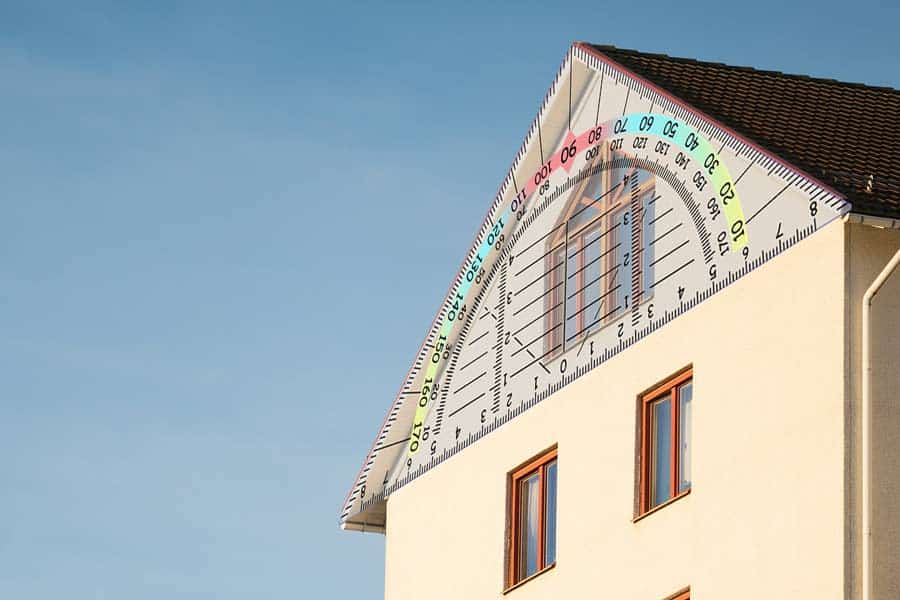
Roof with protractor overlay to show pitch

When looking to repair your roof, there are many aspects of the roof that need to be considered. Probably one of the most important parts of the roof that needs attention is the roof pitch. But what is it? Why is it important? How do you measure it? Before you look at repairing your roof, look at why the roof pitch plays a pivotal role in keeping your roof together.

WHAT IS ROOF PITCH?

The roof pitch is the most visible aspect of the roof. It is basically the slope of your roof. It is the measure of the steepness of the roof. This is expressed as the ratio of the vertical rise, or the change in height per unit, to the horizontal run, or change in distance. It is also defined as the “angle of the roof surface over the “flat” or horizontal plane.”

WHY IS ROOF PITCH IMPORTANT?

Water and snow on a roof can cause mold, leaks, and other damage to it. The biggest reason roof pitch is so important is to allow run-off of rain or snow and prevent damage. In areas where it is likely to rain or snow, homeowners are more likely to build a steeper roof. Many of these states have a minimum pitch level in their building codes. Pitch is also important because it determines the materials used for the roof and how the roof will last long term.

HOW TO MEASURE ROOF PITCH

The measurement of roof pitch is calculated by the number of inches it rises vertically for every 12 inches it is in depth. An example is a 6/12 roof pitch, which means it rises 6 inches for every 12 inches inward. There are two common ways to measure roof pitch. The first is at the top of the roof. There you measure the distance from the level to the surface. But, if the roof has a lot of shingles, this way could lead to an inaccurate measurement. The second way is by going to the bottom of the rafters in three different locations: the underside of a rafter at an overhang at the bottom of the roof, the underside of a rafter at the gable end, and the underside of a rafter in the attic.

TYPES OF ROOF PITCH

There are four common types of roof pitch:

  • Flat: a pitch of 1/2:12 to 1:12
  • Low-Slope: a pitch of 1:12 to 4:12. Not as efficient at allowing run-off
  • Medium-Slope: a pitch of 4:12 to 9:12, most commonly 6:12.
  • Steep-Slope: any pitch above 9:12. May require more fasteners

Most homes are steep-pitched because they are more attractive. High-pitched roofs may cost more because they are longer. Low-pitched roofs go well in light snow climates, as well as ranch homes. For higher snow areas, a higher pitch will give you a better run off. Some roofing materials like metal or concrete are better for a low pitch, while tile and shingles are better for higher pitches.

Looking for help finding the pitch of your roof, or need professional roof repairs? Contact Cox Brothers Roofing, a South Texas roofing company serving Cuero, Victoria, San Antonio, and more.

https://cox-roofing.com/roof-pitch-explained/?utm_source=rss&utm_medium=rss&utm_campaign=roof-pitch-explained

Monday, February 24, 2020

DIY VS Professional Roofing Repairs

Professional roofer in Victoria

Working on a roof can be difficult. This is especially true when it comes to making repairs. You have two options and you don’t know which one to choose. You can either go at it alone or hire a professional. A lot of people opt to do roofing repairs by themselves. However, this comes with a lot of issues and can lead to more problems than solutions in the long term. A roof is a complicated thing, and many homeowners may not have the experience or skills necessary to repair it on their own.

Years of Experience Matter

The most important thing when it comes to working on a roof is the experience of the person doing the job. A professional will have more experience than an amateur. If you are looking to do the roofing repairs yourself, you might want to reconsider depending on your experience level. For everyone except the professional roofer, hiring someone else is the better choice. That is because with experience comes a lot of knowledge that cannot be gained in a short period of time. A professional will know exactly what to do in order to get the job done quickly. They will also know the most efficient ways of solving problems. This means you don’t spend more money than you need while repairing your roof.

Insurance and Other Liabilities

Another thing to think about is insurance. It may be very difficult for you to have your property insured once you have done the job yourself. It is a lot easier to show the work of a professional who is licensed and bonded. There are also many other aspects of the law concerning doing the repairs yourself. For example, if you filed an insurance claim when the roof got damaged, it would then be a complicated legal situation for you when you try to use that money to repair it yourself. There are many other aspects that make it quite tricky legally speaking to do repairs yourself.

The Warranty

Another thing that is often overlooked is the warranty. Most good professionals will give you a good warranty on their work. You have no such guarantees when doing the work yourself and you might find that you have to do the work multiple times to achieve the same results. This is obviously costly in the long term.

Professionals Have Tools You Don’t

Something else you have to consider is the normal startup cost that you have to take on. A professional roofer will already have the tools necessary to make repairs. They will have the most expensive ones since they use them on the daily. It might not make sense for you if you need to repair your roof just once. You may opt for the cheaper tools or even find yourself renting them. The cost and logistics might make it too expensive compared to just hiring a professional.

Safety

Safety is also an issue that is often overlooked. A professional will understand how to do the work safely and efficiently. You might find yourself getting hurt and then not only will your roof be left unfinished, but you will find yourself losing income since you cannot work.

Your Time is Better Spent Elsewhere

This isn’t your job. Your job might be something else, and every minute you spend working on your roof is the time you spend away from your work. You have to understand that opportunity costs are real and you might be paying more in the long term when you do the work yourself.

Looking for the perfect roofer to complete your roof repairs quickly and cleanly? Contact Cox Brothers Roofing, a South Texas roofing company, to speak to a professional about your roof.

https://cox-roofing.com/diy-vs-professional-roofing/?utm_source=rss&utm_medium=rss&utm_campaign=diy-vs-professional-roofing

Wednesday, February 19, 2020

Storm Damage And Your Roofing System

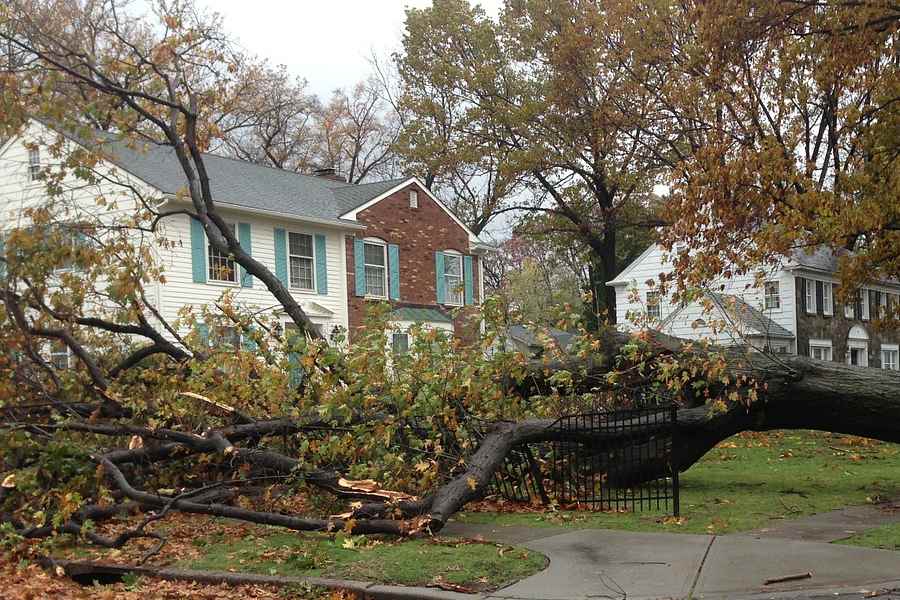
Outside a home with storm damage

It can be a joy to have a roofing system that’s in tiptop condition. It can be a nightmare to have one that’s weak and vulnerable. Inclement weather can wreak havoc onto roofing systems of all kinds. Storms can lead to significant and lasting roofing system destruction. If you realize that a severe storm has done a number on your roof, then you cannot ignore the pressing situation even for half a minute.

Indications That Your Roofing System Has Storm Damage

It’s critical for people to be able to accurately identify storm damage that affects roofing systems. If you’re unable to pinpoint any damage, then you may fail to be able to take action in a prompt manner. If you’re dealing with a severe case of storm-related damage, then you may just pick up on the presence of shingles all over your outdoor property. If you see seemingly random shingles scattered all throughout your otherwise pristine backyard, then you should take action. There are some storms that are so intense that they have the ability to literally force shingles off the tops of roofs.

Check Your Attic

If you want to pinpoint storm damage, then it may be wise to take a brief tour of your attic. If you spot any clues that may point to water damage, then a major storm could be responsible for them all. Water damage is in many cases related to roof damage. Don’t panic if you’re not equipped with any kind of attic at home, either. If you want to be particularly detail-oriented, you can take a close look at your ceiling. If you see any discoloration, staining or streaking, then a storm could be the culprit. Ceiling water damage can clue you in to all sorts of problems.

Check Your Gutters

You should put some time into thinking about gutter issues as well. If you see any splits that are on your gutters, you shouldn’t ignore them. If you see any big depressions or dips, then you shouldn’t brush them off, either. Don’t forget that seeing an abundance of tiny dips can denote the possibility of hail damage.

Check Your Shingles

Concentrate on the appearance of the shingles that are part of your roofing system. Do they appear to be fatigued in any way? Do they have conspicuous flaws of any kind, such as broken bits or being bent upwards? If you observe anything out of the ordinary with the way your shingles appear, then you should think about the possibilities of hail or storm damage. Prompt shingle replacement may be able to save the day for you.

How to Handle Roofing System Storm Damage

Storm damage to your roof can continue causing damage to your home through water leaks and more. That’s the reason it’s never something that you should try to take care of all by yourself. If you suspect that you have any degree of storm damage, then you need to call trained professionals for fast assistance. Look for a reputable local roofing company instead of storm chasers. Most roofing companies offer roof inspections for when you aren’t sure what type of damage has been done to your roof.

Has your roof experienced storm damage? Contact Cox Brothers Roofing, a premier roofing company serving all of South Texas, to learn how we can help.

https://cox-roofing.com/storm-damage-and-your-roofing-system/

Thursday, January 30, 2020

Asphalt Shingle Options

Asphalt Shingles

Most people aren’t savvy when it comes to roofing material. It is okay to not know what you are looking for or what the differences of products are. Depending on if you are looking for a full roof replacement or just replacing broken shingles your wants may change. One of the greatest types of shingles that have begun to be quite popular is asphalt shingles. Here we discuss the different types of asphalt shingles and why they’re important.

What Is An Asphalt Shingle

If you see the term “asphalt shingle” and don’t understand what it means, don’t be alarmed. It is nothing more than a shingle that is used for waterproofing a roof. It is mostly inexpensive and fairly simple to use. There are two basic types of asphalt shingles.

  • Organic Shingles – These types of shingles are based on waste paper saturated with asphalt making it waterproof. It is usually coated with adhesive salt and ceramic granules on top. These are more durable than fiberglass, but are more prone to fire and less friendly to the environment because they have high oil based asphalt content.
  • Fiberglass Shingles – These types of shingles are based with a layer of glass fiber reinforcing mat. This mat is coated with asphalt which contains mineral fillers to make the shingle waterproof. These are less flexible but also less prone to fire. In fact, they offer excellent fire protection. They are replacing organic shingles more and more.

Why Is Asphalt The Way To Go?

Now you know that asphalt shingles are not only super affordable but also safer for your home. Most asphalt shingles can last around 20 years. These shingles do vary for the better, though. Commonly, fiber cement asphalt shingles last about 20 years, premium brands can last up to 50 years.

There are different looks you can accomplish with these types of shingles as well. One of those is called the 3-Tab singles. These are flat and simple with a uniform shape. They use less material and are thinner. These types of shingles are the most commonly used for rental properties.

Another look that these shingles can provide is an “Architectural” or Dimensional shingle. These shingles are also thicker and stronger. They also can vary in shape and size which make it look more traditional and distinct. The architectural shingle can usually last at least 5-10 years if not a little more than regular 3-tab shingles.

What Are The Disadvantages To Asphalt Shingles?

Like any type of product for home improvement there are some disadvantages with having asphalt shingles. One of the biggest draw backs is that they cannot be recycled and therefore are regularly in landfills. Some other disadvantages include:

  • Some cheaper 3-tab shingles can be uplifted by wind.
  • Extreme heat can cause shingles to crack or loose color.
  • Regular maintenance are needed to prevent damage
  • They can be damaged if installed in below freezing temperatures

In the end you have to weigh what you think is best for you home. Asphalt shingles have a lot of positive sides to them, such as lower cost and fire resistant in the fiberglass types. They are a great way to be able to redo your roof in an attractive way that is cost-effective.

https://cox-roofing.com/asphalt-shingle-options/

Monday, January 27, 2020

Why You Should Get Your Roof Inspected

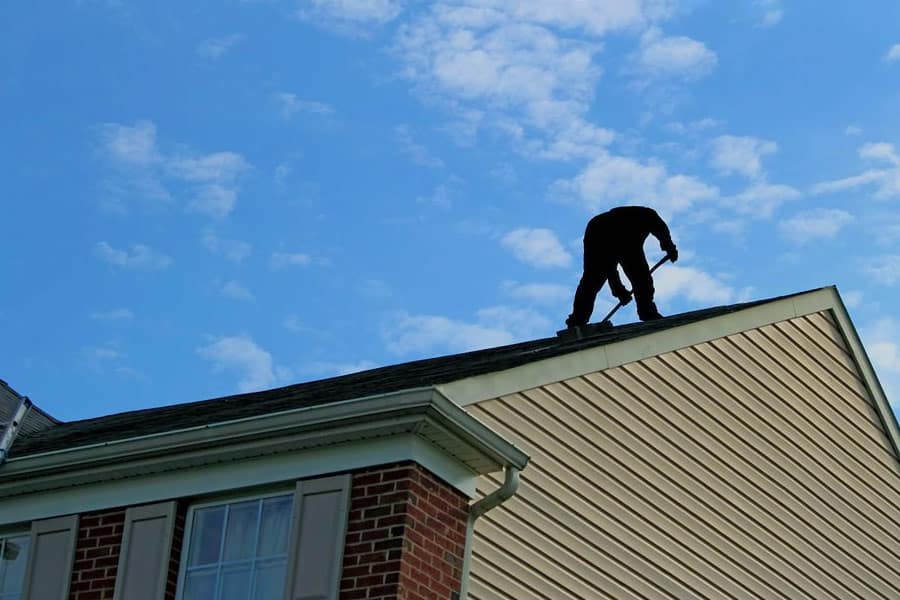
Silhouette of man inspecting a roof

Getting your roof inspected is the first step to ensuring it will last for a long time. In fact, it is recommended that a roof inspection should take place two times each year. Ideally, a roof inspection should take place after winter and summer. Also, you can obtain an inspection as needed if there are any weather conditions that may warrant one. But, what are the specific reasons why a roof would need an inspection? We will answer this question so that you’ll know why you should get your roof inspected.

Excessive Aging and Weathering

With constant contact with the elements, a roof’s lifespan could easily get cut in half. So if a roof with a low-slope is expected to last for 30 years and the area is constantly stricken by major weather conditions then the lifespan could decrease tremendously. Plus, even if the roof ages without a lot of weather involved, many openings in the roof may start to appear which could allow moisture to enter the roof. With a roof inspection, you’ll be able to get to the source of the problem in order to make repairs as soon as possible.

Damage from Unrelated Maintenance

It is not uncommon for roof damage to occur from individuals who are simply performing HVAC or AC maintenance. The damage occurs mostly because the access panels are forgotten to be closed on a roof or containers of refrigerant and other types of debris are left behind. If the area you live in is constantly bombarded by high wind, then your roof could run the risk of having objects fly around to cause significant damage. You can easily include roof cleaning as part of your normal inspections.

Assess for Leaks

As soon as you notice a leak, you need to immediately schedule a roof inspection. But just because you notice a leak, you never know if there is an underlying problem that is much worse than just a leak. So, if you think about it, having a leak could be a blessing. This is because if you never had a leak, then an underlying problem would be able to continue its destructive nature by way of mold, corrosion, rotting, and many other possibilities.

Not just anybody can conduct an inspection to pinpoint a leak due to the unknown origin of the leak as it could be in a totally different area.

Generally, if your roof is a low slope then there will rarely be a case where a leak occurs in the roof’s center. Usually, a leak occurs in an area that is prone to problems such as flashings, expansion joints, and penetrations.

On the flip side, if a roof has severe deterioration, a leak may not even be visible if the leak runs over concrete and had migrated from the original source before finding an opening for the water to drip from. After a condition like this happens, the damage could be so extensive that the inspector may end up recommending a complete replacement of the roof.

Ensuring Drainage

Ensuring that a roof properly drains is an important aspect of roof inspections because it ensures that the roof is performing properly. If there is standing water on the roof, then you will have an increased risk for moisture to penetrate and cause leaks. Plus, getting rid of debris that accumulates on a roof will also eliminate the chance for standing water. So ensure that your roof is clear of debris as well as no clogs in the drain pipes and roof gutters.

https://cox-roofing.com/why-you-should-get-your-roof-inspected/

Friday, January 17, 2020

Why You Should Hire a Licensed Roofing Contractor

Roofing Contractor in front of house

When a person is having a repair done or their roof or if they need their entire roof replaced it is important to work with licensed roofing professionals. These professionals have the skills and experience to make sure the roof is secure and safe. These are some reasons to hire only a licensed professional for roofing.

Know the Industry

To become licensed a person needs to go through training and meet specific standards. If they do not know what they are doing they will not be granted a license. These contractors often need to do some type of continuing education in the industry to keep their license valid. They will learn all of the new techniques and trends on roofing and can pass this knowledge on to their customers.

Roofing Types

There are some many different types of roofing out there such as slate, tile, and shingles. A licensed contractor will know how to work on each roofing type. They will have the skills to do the job based on the type of roof a person has. An unlicensed contractor often does not have the knowledge to work on all of the different types of roofing material.

Insurance

A licensed contractor will carry insurance. This insurance will protect them and the consumer in case there is any damage to the property while the contractor is working on the roof. The contract must carry this insurance. To get roofing insurance, a contractor must be licensed. Accidents do happen from time to time and the homeowner needs to be protected from things that are not their fault.

Payments

When a licensed contractor does a job they will want some form of a down payment. Common down payments can be 10 percent of the total project or around a thousand dollars depending on the cost of the repair. This will help cover materials. This amount is set by the state licensing board and the licensed contractors will follow these regulations. If the contractor wants all of the money upfront this can be a warning sign that they are not a legitimate company.

Contract

When working with a licensed roofing contractor the customer will be given a written contract. This contract will have the price and the cost of materials. A person will see everything that is included in the job and the price. This will protect them from a surprising amount once the job has been completed.

Guaranteed Work

A licensed roofer is a professional and they will guarantee their work for a specified amount of time. they have the skills and will stand behind the work that they do. With their knowledge and experience, they are confident that the roofing project will come out correctly and will be safe the first time.
These are some of the reasons why a person should work with only a licensed roofing contractor. The licensed contractor can make sure the project is done safety and their work will be guaranteed.

https://cox-roofing.com/why-you-should-hire-a-licensed-roofing-contractor/

Wednesday, January 15, 2020

Homeowners Insurance: What’s Covered and What’s Not

Homeowners insurance

When an individual is shopping for the best insurance policy, they are taking one of the most important steps when buying a new or used home. Homeowners insurance protects the homeowner’s personal property and of course, the house itself. Depending on the location, it’s required by mortgage companies before they could even give anyone a loan for a home.

What Is Homeowners Insurance?

Homeowners insurance is a form of property insurance where a company covers a private residence. It usually involves a monthly payment or a yearly fee. Furthermore, homeowner’s insurance usually provides the customer with financial protection against natural disasters depending on the location and policy plan. There’s also a standard policy where an insurance company can replace furniture, appliances and other amenities if damages occur to the residence. Another great thing about home insurance is some insurance plans offer their clients with a combined auto insurance plan.

What Does Homeowners Insurance Cover?

Anything could happen to a home, like water and flood damages for example or snow damage, and even fire damages can occur. Mother Nature could throw a curveball and deal additional damage without warning, and it’s usually unpredictable. This is why most homeowners choose to have homeowner’s insurance. Having insurance can help get back losses from their home depending on the damages that were made versus the insurance policy. This could also include damages that occur at the home while in the hands of the homeowner. However, as mentioned, this varies depending on the insurance plan.

Costs Of Homeowners Insurance

The average cost of homeowners insurance can vary depending on the insurance plan, location, state, and structure of the home itself. The rough estimated average cost for insurance on a home is usually around $1,200 for the whole year.

Why does insurance vary depending on location?

Insurance can vary depending on the location and here’s an excellent example to explain why, if a state or location is surrounded by high populated cities it’s more than likely the homeowner will be paying higher premiums. This is because a home near a highly populated city is generally worth more than homes that are not. Another example is homes that are located within high reported incidences of natural disasters caused by mother nature. Here’s a great way to think about it, Ohio has occasional tornadoes while Florida is more prone to flooding and water damage from hurricanes. However, this could all depend on the structure of the home and location. If an individual purchased a home in Florida and they live on the coast, they will be paying for a higher policy plan. On the flip-side, if a homeowner resides within central Florida where they are more inland than the insurance is generally lower. In conclusion, the price can vary depending on the insurance policy, state, mother nature, location, population, the of the home and common occurrences of reported incidences. Additionally, insurance premiums and plans can vary depending on the age and possible rebuild the value of the home.

What Doesn’t Home Insurance Cover?

Homeowner insurance can cover a lot, bare minimal and sometimes even almost everything. This all depends on the insurance company and it’s policy restrictions. The policy restrictions can vary from the insurance plan itself and the age of the home and homeowner. The only time where an insurance company won’t comply with the covering of an individual’s assets is when there’s a situation that doesn’t come up to par within the policy plan itself.

https://cox-roofing.com/homeowners-insurance-whats-covered-and-whats-not/

Friday, January 3, 2020

Keep Your Roof In Good Shape Year Round

Roof top with orange shingles

Your roof not only protects your house, but also everything in it. A small problem in your roof can lead to big water and mold damage being done to your possessions and your home’s structure. Take a little time to keep your roof in shape year round, and your roof will take good care of your house and your belongings.

Check the Chimney

Check the chimney’s mortar for damage once a year. Water and snow damage can cause the mortar to crumble over time. This can lead to leaks that run under your shingles. They can even eventually make the chimney collapse. If you notice crumbling mortar on your chimney, you need to call a professional to repair it before it seriously damages your roof.

Fix the Flashing

Inspect any flashing on your roof for signs of damage once a year, after the winter is over, as well as after any major storm. If the damage is minor, you can probably just reseal it. If the damage is severe enough, you will have to cut away the damaged section, replace it, and then seal it. Need a roof inspection?

Examine the Attic

Your attic is right under your roof, so it can show signs of roofing damage before you can see it on the outside. Periodically check it for mold, leaks, and damaged insulation. If you find any, you might be able to track it to the damage on the roof and repair it yourself. If you cannot find the damage, you might need to call in a roofer.

Replace Damaged Roof Tiles and Shingles

After the winter is over, and after every major storm, you should check for missing or damaged shingles and tiles on the roof. Replace them immediately. This applies to shingles that are curling up at the edges as well. Remember, if you replace the shingles yourself, you need to tar over the roofing nails after you drive them in.

Clear Away the Leaf Litter and Debris

Regularly clear away the leaf litter and debris that has accumulated in your gutter, around your skylights and vents, behind the chimney, and in roof valleys. Check these places often in the autumn, and after every very windy day. If you let the litter build up, water can back up under your shingles and tiles. Sticks and other debris can even damage them.

Trim the Tree Branches

Once a year, you should walk all the way around your house and look for large tree branches that hang over your roof. Trim any tree branches that are large enough to damage your roof if they fall. Remember, trimming large tree branches is usually something that is best left to the professionals.

The Takeaway

Taking good care of your roof is a good long term investment. You can prevent major roofing problems and house damage by catching roof problems while they are still minor.

Looking for a roofer near you? Contact Cox Brothers Roofing, a roofing company in Victoria, TX, for more information.

https://cox-roofing.com/keep-roof-in-good-shape/

Friday, December 20, 2019

Types Of Roof Damage

Roof with damaged shingles

Your roof is the most important part of your house. Any issue that arises can cause permanent damage to everything inside the house. For example, having your roof leak can lead to the water seeping in and destroying your walls and even furniture. It can even cause damage to your appliances and in rare cases cause fires that can destroy the house completely. Every roofing issue needs to be taken seriously and considerations need to be made to make sure that the roof damage is fixed before it gets worse. There are many ways in which your roof can become damaged.

Having Your Shingles Blister

Your shingles blistering is one of the most common types of damages to the roof. This happens when your roof gets too hot and had a lot of moisture in it. You essentially find that your roof has giant blisters on it from the moisture and humidity. The moisture expands and can cause serious damage. The damage eventually leads to your roof leaking which is the ultimate problem for your home. This problem can be okay for a period of time if the damage does not get too severe. However, it is essential to fix it before anything worse happens. You never want your roofing system to deteriorate to a level where the shingles start to get warped and damage as this can lead to major structural issues.

Your Roof Leaking

There are many reasons for your roof to leak. No matter what happens, your roof leaking is the most serious issue that can happen. This usually happens because something hit the roof and destroyed a part of it letting in water. It can also be that the roof is old and eventually every material fails. When roofing materials fail, they get cracked and warped and water can seep in. This can be quite a destructive force as you will find your ceiling been saturated and this can lead to thousands of dollars in damages. Fixing this issue is critical before anything worse happens.

Shingles Being Blown Away

Having a storm damage your shingles is quite common. For example, in a hurricane or a snowstorm, roofing shingles can become damaged and eventually get dislodged and blown away. Inspecting your roof to make sure that this isn’t happening to you is an important part of keeping everything safe. As your roof is the most important part of your house, keeping it safe will prevent you from having to pay thousands of dollars for repairs and this would be devastating to your wallet. For leaks, there are many sealants that do the job well and these chemicals can help prevent damage to your home.

Fixing Damage on Your Roof

Hiring a qualified roofing contractor is the first step to making sure your home is in good condition. The importance of the roof makes it essential that you start repairs quickly. When your roof is damaged, it eventually cascades into a bigger problem which leaves you having to pay more money in the long term. Solving these problems before they get worse is the most cost-effective thing to do.

https://cox-roofing.com/types-of-roof-damage/

Monday, December 16, 2019

Identifying Winter Roof Damage

Winter Roof Damage

Winter can be the hardest season for roofs because of heavy snow accumulation. Even roofs that are brand new can be susceptible to the damaging effects of Winter. How do you know when your roof is damaged from the Winter?

1. Water Leaks

One of the most common types of roof damage in the Winter is water damage. This happens when snow and ice begin to melt from the heat coming from inside of your house. The melted snow and ice becomes trapped on the roof and forms something called an ice dam. Since the water has no where to go, it goes into the roof which then cause interior water damage to form. This can also encourage the growth of mold which can be detrimental to you and your families health. Removing snow and ice from the roof yourself can be dangerous as falls can occur as well as damage to the roof itself.

2. Ice in Gutters

The build up of ice in gutters can cause damage to your roof, homes foundation, and to the gutters themselves. Ice build up stops the gutters from doing what they were made to do – redirect water from the roof onto the ground. Without your gutters directing the water, it can fall from your roof and cause ice to form on driveways and walkways as well as water damage to your houses foundation. Heavy ice can break your gutters and rip them from the roof so it is important to have ice removed from gutters to prevent damage from occurring. Removing ice from gutters is nearly impossible without damaging the gutters or the roof itself, so it is best to seek a professional to do it for you.

3. Skylight Problems

If snow or ice is on your skylight it will begin to melt from the heat from your home. This causes water to build and with heavy snow on top it has no where to go besides in. It is important to have your skylights cleared of snow and ice to prevent water damage from happening.

4. Existing Roof Problems

If you have an older roof then there is a chance you may already have damage. Snow and ice can cause loose roof shingles to fall off, and dislodge gutters that have not been updated in awhile. In some cases, heavy snow fall can even cause your roof to collapse causing very expensive damage to your home. To prevent this from happening be sure to have your roof inspected every three years to ensure the safety of your family and your home.

The Winter can be brutal and cause a lot of damage to your roof and gutters. The best way to protect yourself and your roof is to have heavy snow and ice removed by a professional to ensure that no damaged is caused by a snow storm. Hiring a professional to clean your roof can end up saving you thousands in water damage and roof damage.

https://cox-roofing.com/identifying-winter-roof-damage/

Tuesday, December 10, 2019

Types of Roofing Materials

Types of Roofing Materials

When it comes to home repair, most people don’t give their roofing any consideration until something goes wrong. This is unfortunate because there are different types of roofing materials that excel at different things. Choosing the right roofing material is a great way to not only protect your home, but to also improve its value. Let’s take a look at some of the popular types of roofing materials that everyone should be familiar with.

1. Metal Roofing

If you want the strongest and most weather resistant roofing around, then metal roofing is the way to go. Not only are they ultra durable, they’re also great for those who are interested in rain water harvesting as well. Other benefits include the fact that it has high solar reflection, and lasts longer than wood or asphalt roofing, sometimes lasting up to 75 years. And of course, it’s also recyclable as well so nothing goes to waste. If there is a downside to metal roofing, it would have to be that it costs a bit more than other styles of roofing. That said, it is very much worth it for the value you get.

2. Wood Shingle or Shakes

Wood roofing can also be pricey, but it makes up for it with the fact that it simply looks amazing. If you’re going for pure aesthetics, wood roofing is one of the best choices around by far. That said, their main drawback is the fact that they are relatively short lived, especially in areas that have a lot of moisture. They also aren’t particularly good choice in areas prone to wildfires either. Even so, if you want your house to look amazing, wood shingles are a great choice.

3. Slate Shingles

Many in the roofing business consider slate to be the finest roofing material around. This is because it’s made from pure stone, and can last literally for hundreds of years in some cases. The point is, if you install a slate roof, it will likely be the last roof you ever need to install. Of course, you must also consider that slate roofing is a very specialized skill so finding an installer may be difficult. It is also extremely expensive, but given how long it will last, it may just save you money in the long run.

4. Synthetic Slate

If real slate isn’t for you, then another option would be synthetic slate. This roofing alternative shares many of the same properties with true slate, but without the massive price tag. And while synthetic may not last as long, it does usually come with a pretty good warranty, making it a minor issue. Another great thing about synthetic slate is the fact it is very lightweight, making it great for buildings that can’t support the weight of real slate. On top of that, synthetic slate usually looks nearly identical to the real thing, so you aren’t sacrificing style either.

5. Asphalt Shingles

One of the most popular roofing types is asphalt shingles. They come in a variety of styles, sizes, and colors, allowing you to pick something that looks good on your home. There are many of them that also meet energy standards, allowing you to save money when it comes to your energy bill. The few drawbacks include the fact that rapid changes in temperature can damage them, and the fact that they can only be used on a roof with a steep slope.

https://cox-roofing.com/types-of-roofing-materials/

Monday, December 9, 2019

Signs Your Siding Needs Replacing

Roof Siding

Nothing lasts forever. That includes the siding on your home. The weather plays a major role in why the siding will eventually start to deteriorate and need to get replaced. Start watching for the signs your siding needs replacing so you can handle the situation before it becomes troublesome for you and your home’s value.

Peeling Paint

The paint on your siding may start to peel over time. Peeling paint isn’t always a major problem since you can just paint over what was there before. However, if the paint continues to peel off frequently then you should consider replacing your siding with something more suitable. A vinyl siding that offers resistance to the sun may be your best bet if your home sits where the sun hits it head on and has little shade.

Loose Pieces

High winds and storm damage can cause the siding to come loose. Loose pieces may be able to be put back in place. If they get damaged in the process, though, then you’ll need to look at replacement options. You can replace individual boards if only a few have been broken but should look at full siding replacement if several have been compromised.

Rotting Boards

Wood siding can become rotted. Look for signs of rotting and replace these boards immediately so the damage does not spread. Sections that have become soft need to be replaced. If boards easily crumble or split when you tap them then this can be a sign of rot. You may even hear a hollow sound when tapping that indicates dry rot.

Mold Growth

Moisture may get trapped inside your siding. You might start to notice mold growth or things like algae and fungus developing. Use a mold and mildew cleaner to remove any visible growth spots. If it still continues to grow rapidly then these pieces will need replacing.

Peeling Paint and Paper Inside

Your signs of siding replacement aren’t always going to be outside the home. You may notice a few problems inside the house instead. If the paint on your walls is peeling or the wallpaper is loose then you should look at your siding.

High Heating Bills

Homeowners who have lived in the same place for several years are often aware of what their average heating bills look like. When you start noticing higher heating bills than usual it could be an indication that your siding needs replacing. Your siding helps to keep the cold air and wind from seeping into your home. All boards should be kept up if you hope for them to work as intended. This is especially important if there are any holes or damaged sections.

Look out for the signs that your siding needs replacing and you’ll be able to tell sooner that this home improvement project should get started. Letting your siding get peeled, cracked, damaged, and defective and never replacing it can decrease your home’s value and quickly cause it to lose its curb appeal. Keep your siding looking good and replace it as necessary for a better quality home.

https://cox-roofing.com/signs-your-siding-needs-replacing/